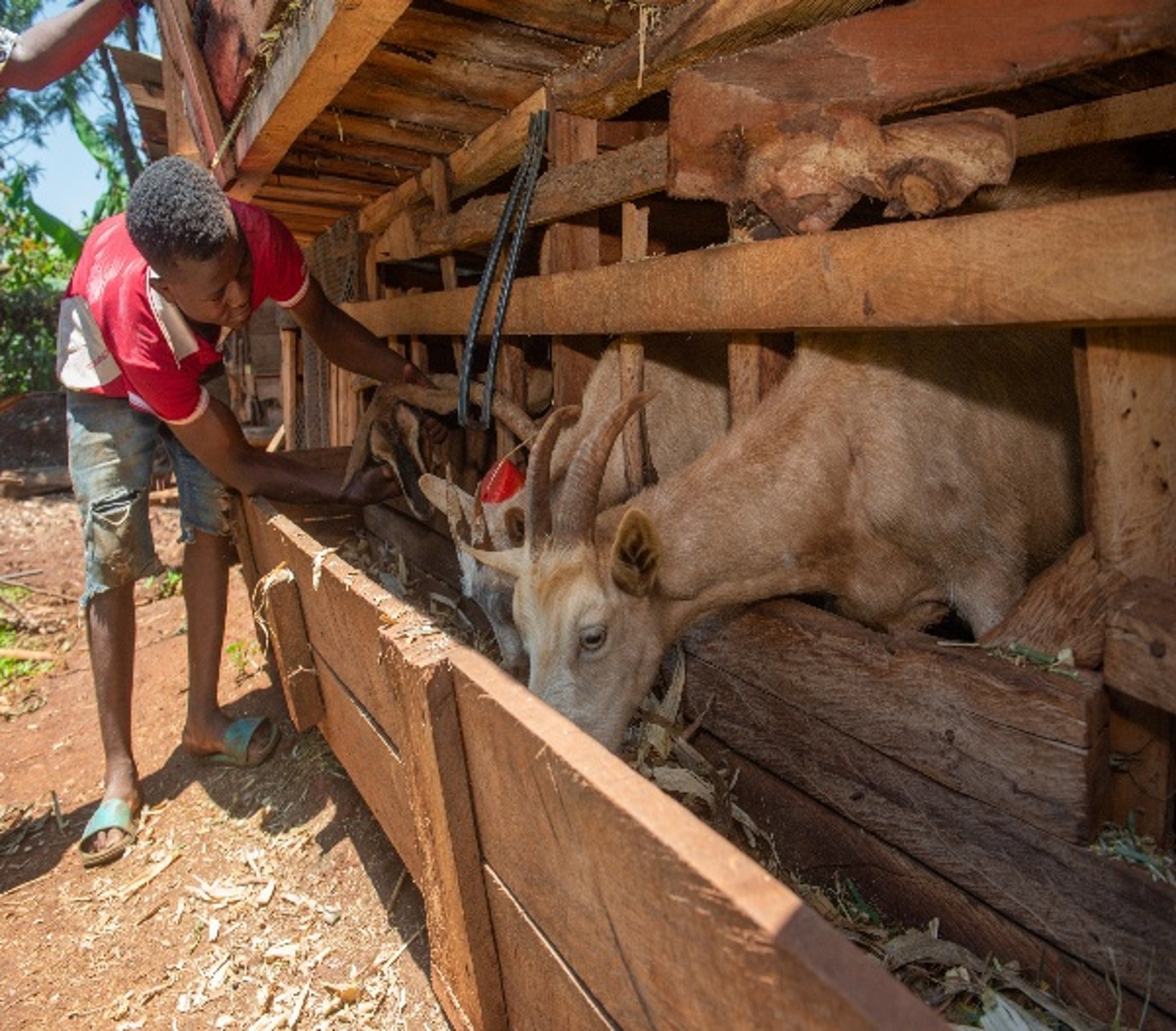
A small goat can mean a big opportunity for a smallholder farmer, particularly when better genetics turn modest milk yields into a viable source of income. Recognizing the potential of dairy goat farming for women, young people and other small-scale farmers, the County Government of Kirinyaga is improving goat productivity through better breeding and access to artificial insemination (AI) Services.
This intervention was introduced through the Wezesha Kirinyaga Programme, which began supporting dairy goat farmers between 2021 and 2022. Through the programme, 56 Vulnerable and Marginalized Groups (VMGs) received nine dairy goats and one buck each and were supported to access AI services. Most of the groups comprise 7–10 members, with each member receiving a doe while one member was allocated the buck to support breeding within the group. The model builds on the groups’ social cohesion, with members who receive in-kid does expected to support others once their goats kid. While the bucks provide an initial breeding option, AI was introduced to help farmers avoid inbreeding and improve access to quality genetics.
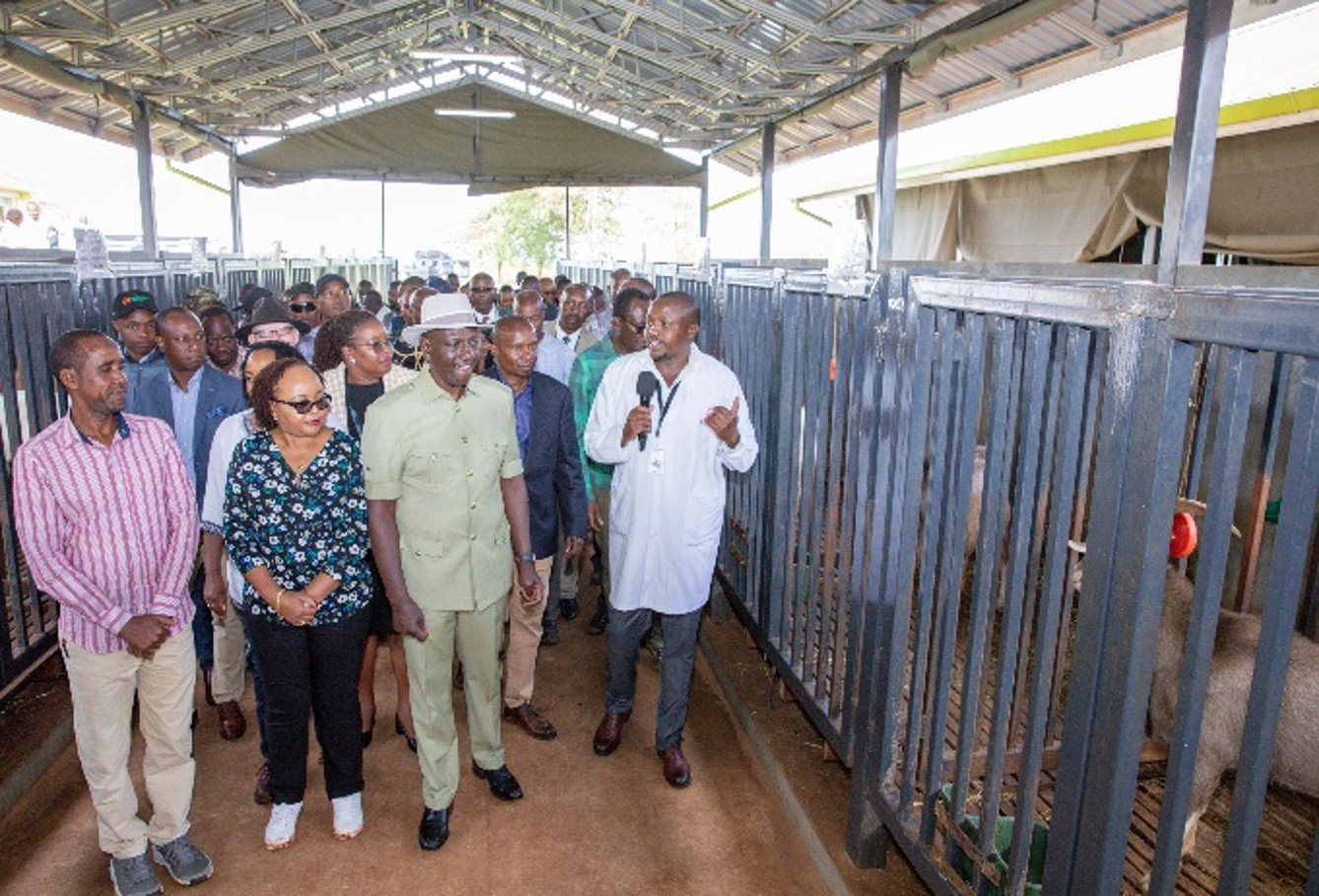
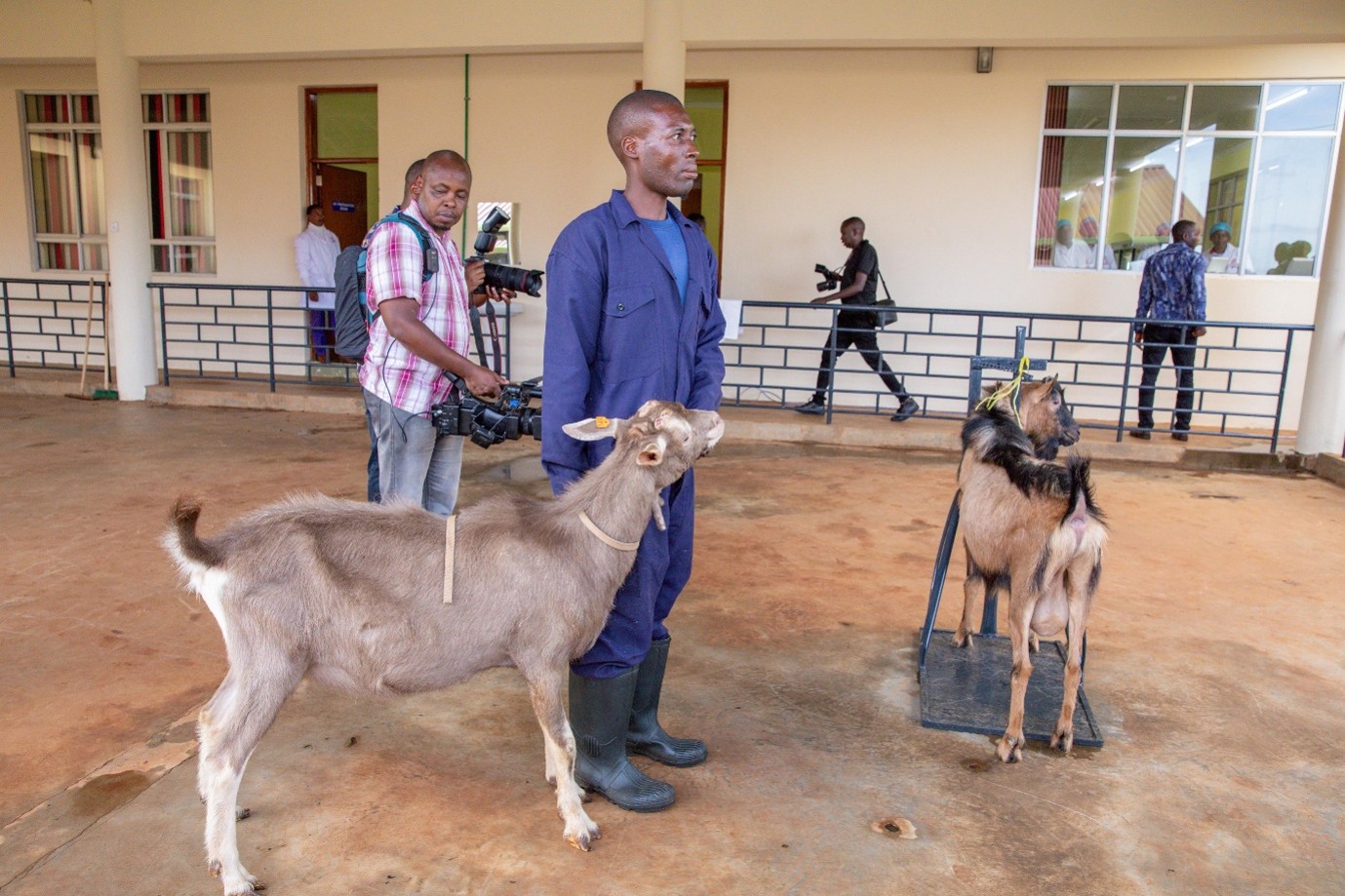
The AI service has also been extended beyond the VMG groups. VMGs that are part of dairy Community-Based Organizations (CBOs), previously supported by the Wezesha Kirinyaga Programme through subsidized dairy cow AI, can now access goat AI at a lower cost while also selling doses to other farmers in the County through their CBOs. To strengthen the service, the County trained its staff on goat insemination and facilitated access to approximately 70,000 doses of goat semen, of which about 10,000 have been used so far. Adoption remains relatively low because some farmers face difficulties detecting when the goats are on heat. The County is addressing this through continuous sensitization and extension services.
These efforts have enabled farmers to introduce improved Kenyan Alpine and Saanen genetics into their local herds. For some farmers, the change has also transformed how they approach breeding. Speaking during an interview, one beneficiary noted that before the intervention, farmers often relied on community bucks, a practice that often led to inbreeding as one buck would serve several does.
They also had to travel long distances to access breeding services, making the process costly and inconvenient while exposing goats to the risk of disease. Through training provided by the programme, she learnt about AI and began exploring improved breeds. She initially used the Anglo-Nubian breed, which increased her milk production to nearly four litres per day.
Her experience reflects the wider gains among farmers participating in the programme. Those who previously produced about half a litre of milk per goat per day are now recording between one and three litres, depending on the breed, animal and management practices. The increased productivity is giving farmers a stronger foundation to move beyond keeping goats primarily for household needs and develop dairy goat farming as a commercial enterprise.
As production grows, the County Government of Kirinyaga is also investing in the systems needed to turn higher milk yields into income. Mwea Goat Breeders, a community-based organization, has started producing goat milk and received a 500-litre milk cooler to improve milk handling and storage. The County is complementing this investment with training on clean milk production and value addition, while encouraging farmers to keep at least five dairy goats to maintain a reliable supply for the cooler.
The progress has also highlighted areas that require continued attention. Farmers still face challenges related to inadequate breeding services, gaps in animal husbandry, feed constraints and limited market access. In response, the County is strengthening farmer training, breeding services, milk handling, value addition and market linkages to ensure that improved production translates into sustainable livelihoods.
Kirinyaga’s experience demonstrates how county-led investment in quality genetics, technical capacity and appropriate infrastructure can unlock the commercial potential of smallholder livestock farming. By connecting improved breeding with practical support across the dairy goat value chain, the County is helping farmers increase productivity, access new markets and turn a modest livestock enterprise into a more sustainable source of income.
Further reading;
- https://www.mgazeti.com/issue/the-star-news-paper-18th-august-2026/details
- https://www.facebook.com/cgtnafrica/videos/ai-breeding-helps-kenyan-dairy-goat-farmers-thrive-what-if-you-could-run-a-highl/1572326728259232/
- https://kirinyaga.go.ke/kirinyaga-farmers-reap-big-as-waigurus-goat-a-i-program-transforms-livelihoods/
When poor genetics limit the productivity of smallholder farmers, how is your County using improved breeding, technology and farmer support to turn livestock farming into a viable source of income? We would love to hear your story.
Visit https://maarifa.cog.go.ke/ to learn more about the successful initiatives on service delivery our Counties are undertaking.
Compiled by; Dr. John Gachara-CECM, Agriculture, Livestock, Veterinary & Fisheries
Dr. Catherine Mulonzi-Director, Livestock, Veterinary & Fisheries
Steffie Wambui-Head Livestock Production
Angela Wangeci-Knowledge management champion
Grace Kimani - Council of Governors, Maarifa Centre