Context and Pre-Intervention Reality:
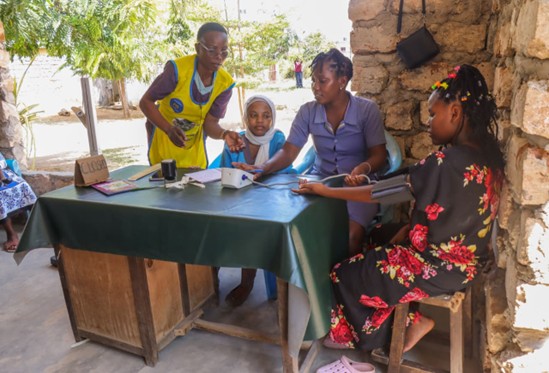
Kiwandani Dispensary is a Level 2 primary health care facility serving an estimated catchment population of approximately 30,327 people in a peri-urban setting of Kilifi County. The facility provides outpatient services, maternal and child health (MCH) services, including antenatal care (ANC), family planning (FP), immunisation and nutrition services, laboratory services, and community health programmes. The facility is supported by one Community Health Unit (CHU) comprising 30 active Community Health Promoters (CHPs), who play a critical role in linking households to facility-based services.
Prior to the adoption of an integrated health financing approach, Kiwandani Dispensary operated within a fragmented financing environment. Facility operations were supported through multiple funding streams, including County health allocations, Social Health Authority (SHA) reimbursements, the DANIDA Primary Health Care (PHC) Support Programme, and other development partner contributions. However, these funding sources were often uncoordinated, characterised by delayed disbursements, parallel planning, and limited flexibility in addressing immediate operational needs.
As a result, the facility faced persistent challenges in sustaining uninterrupted RMNCAH service delivery, supporting community engagement activities, and maintaining essential operational standards. Despite strong leadership and committed staff, the absence of harmonised planning and resource utilisation limited the facility’s ability to translate available funds into consistent, high-quality health services.
Click the story below to read more.