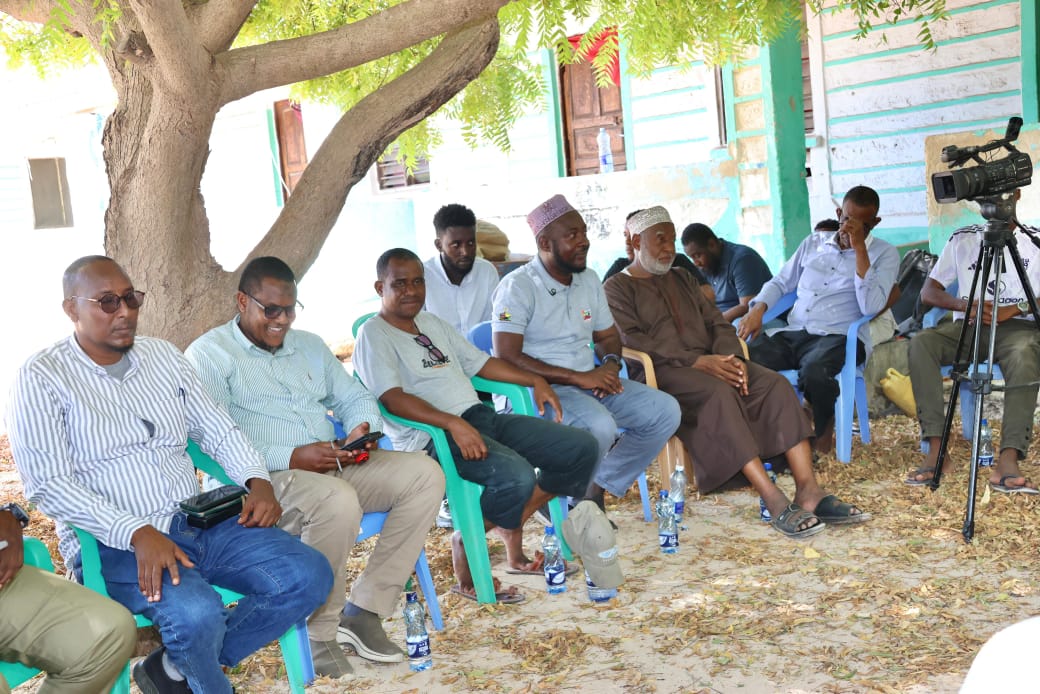
Kiunga is a remote border town in Lamu County along the Kenya–Somalia frontier. The area is geographically isolated and characterized by limited infrastructure, recurrent climate shocks, insecurity, and a historically weak state presence. For decades, Kiunga has served as an entry point for refugees fleeing conflict, instability, and drought in neighboring Somalia.
Unlike other refugee-hosting contexts in Kenya, Kiunga has never had formal refugee camps or sustained humanitarian funding. Refugees arrived directly into villages already facing poverty, water scarcity, and fragile livelihoods based on fishing and small-scale farming. This created a high risk of tension, competition over scarce resources, insecurity, and social fragmentation among host communities, refugees, the indigenous Boni community, women, youth, and security personnel operating in a fragile border environment.
In response to these challenges, Lamu County Government through the directorate of Disaster Management & Peacebuilding adopted a community-led, equity-based model of refugee–host integration. The approach emphasized coexistence, shared responsibility, and dignity rather than segregation or dependency on external humanitarian systems