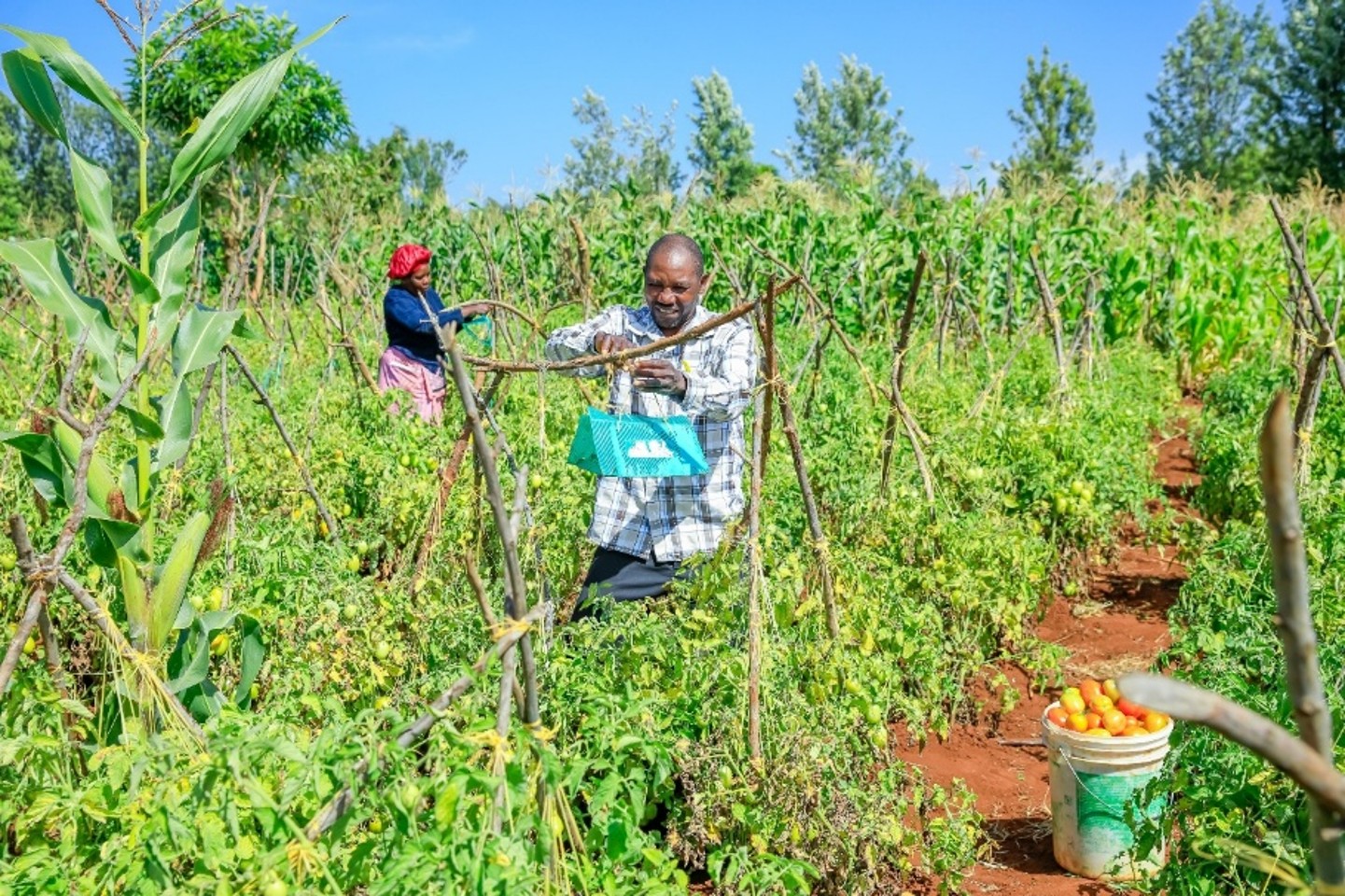
Tomato farming in Kirinyaga County, a key source of income for many households, has in recent years faced mounting challenges due to persistent pest infestations, most notably Tuta absoluta. This destructive pest contributes to over 20% of post-harvest losses and has proven difficult to control due to its rapid development of resistance (The Star, 2026). As a result, farmers increasingly turned to heavy use of agrochemicals, driving up production costs, exposing them to health risks, and raising concerns over food safety and environmental sustainability.
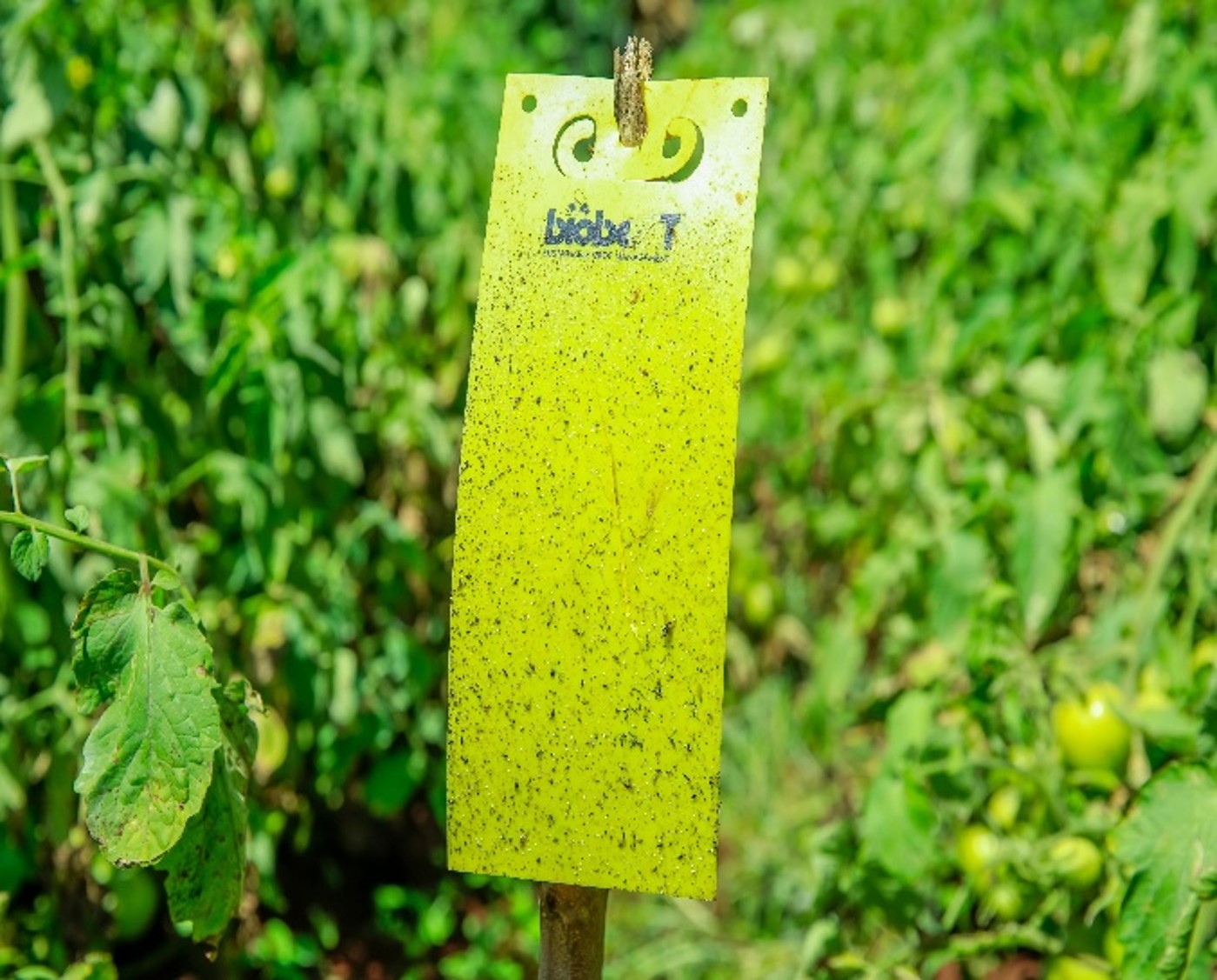
To mitigate these challenges, the County implemented the Safe Pest Management training programme across 11 major tomato-growing wards through a partnership between the County Department of Agriculture and the International Centre of Insect Physiology and Ecology (ICIPE). The programme adopted a farmer-centered approach, involving 35 farmers, anchored on two-season demonstration trials. Through these, farmers observed how Integrated Pest Management (IPM) practices, including the use of pheromone traps, bio pesticides, improved soil management, and farm sanitation, could effectively control Tuta absoluta while reducing reliance on synthetic pesticides. Notably, the use of pheromone traps emerged as a standout approach, offering a precise and environmentally friendly method of managing the pest by disrupting its reproduction cycle and enabling early detection.
As a result of strategic interventions under the 'Wezesha Kirinyaga' program, tomato production in the county increased from 46,000 tonnes in 2017 to 116,000 tonnes in 2026, generating approximately Ksh. 6.9 billion annually (County Government of Kirinyaga, 2026). Further strengthening this progress, the County collaborated with the International Centre of Insect Physiology and Ecology (ICIPE) to train 1,000 farmers on the use of biopesticides and Integrated Pest Management (IPM) across 11 high-production wards (The Star, 2026; County Government of Kirinyaga, 2026). Additionally, the implementation of demonstration plots proved effective in building farmer confidence and facilitating hands-on learning, while strong institutional partnerships ensured technical credibility and sustained support for the initiative.
Although initial resistance and limited awareness slowed early uptake, the programme underscored the importance of continuous sensitization and follow-up. Building on these lessons, the County aims to expand IPM practices to other crops, scale up demonstration efforts, and strengthen monitoring systems to ensure the gains made are sustained and replicated across the sector.
To support this progress, the County is also increasing investment in biological pest control inputs to improve farmer access, while promoting certification and branding of residue-free produce to unlock premium markets. Lastly, efforts are being made to improve market linkages, while continuous capacity building for extension officers remains a priority to ensure sustained technical support and long-term success.
Further reading:
- The Star. (2026, February 19). Kirinyaga tomato farmers turn to eco-friendly pests control methods. https://www.the-star.co.ke/counties/central/2026-02-19-kirinyaga-tomato-farmers-turn-to-eco-friendly-pests-control-methods
What initiative has your County taken to strengthen safe pest management training for tomato farmers? We would love to hear your story.
Visit https://maarifa.cog.go.ke/ to learn more about the successful initiatives on service delivery our Counties are undertaking.
Compiled by:
- Dr. Gachara John, PHD, OGW - CECM ALVF County Government of Kirinyaga
- Priscah Githaka - Chief Officer ALVF County Government Of Kirinyaga
- Benson Mukungo - County Director of Agriculture
- Boniface Ndung’u - County Horticultural Crop Development Officer
- Mercy Mwangi – County Agriculture Economist
- Angela Wangeci - Maarifa Knowledge Management Champion (Kirinyaga)
- Grace Kimani – Maarifa Centre, Council of Governors