Introduction
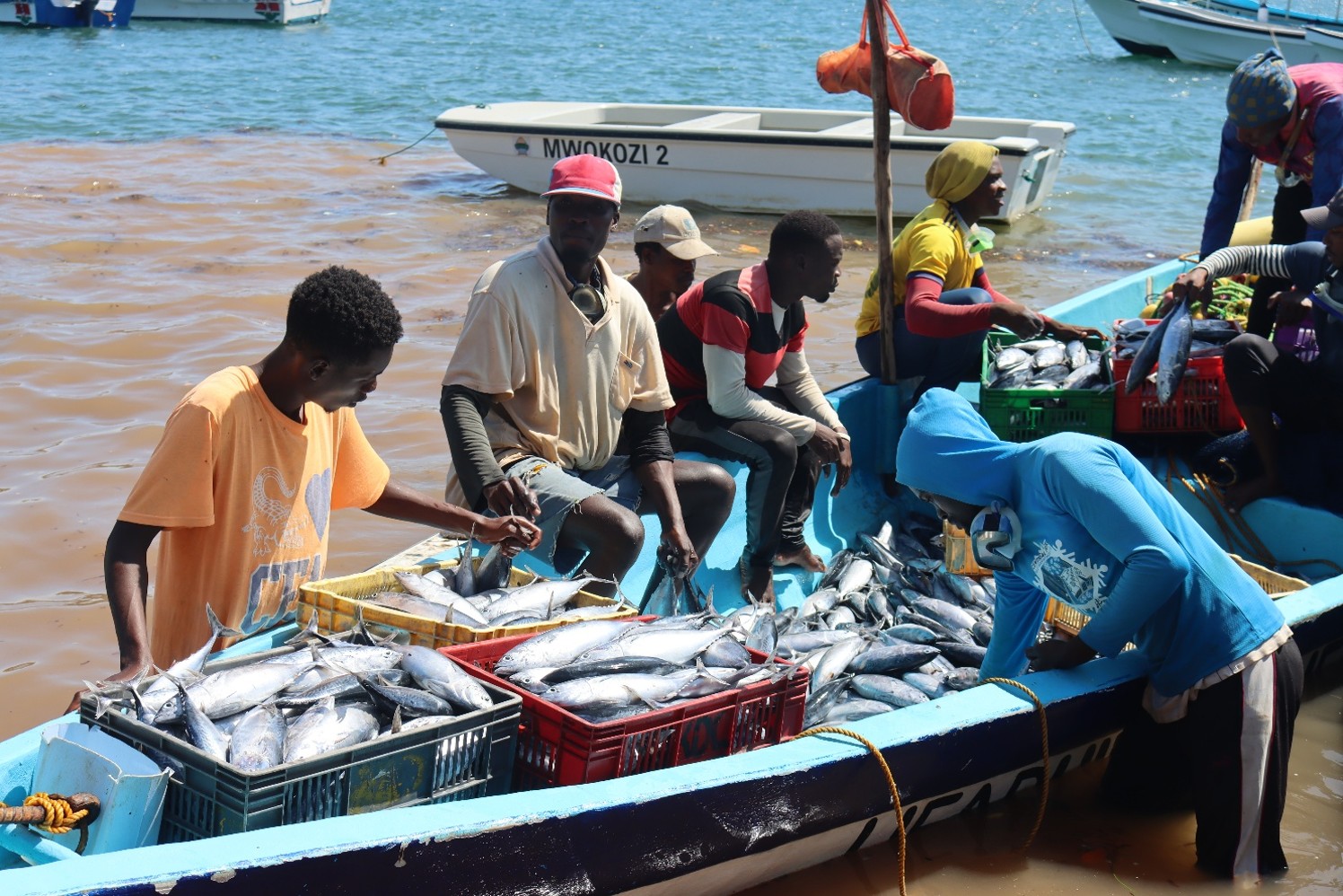
For generations, communities in Kilifi County have relied heavily on fisheries and coastal resources for food, employment and income. However, declining fish stocks, pressure on nearshore fisheries, inadequate fishing equipment, post-harvest losses, weak markets and degradation of mangroves increasingly threatened these livelihoods. Poverty, food insecurity and over-reliance on fishing as a single source of income compounded these challenges, while women and youth faced limited access to productive resources, skills and economic opportunities.
The Kenya Marine Fisheries and Socio-Economic Development Project (KEMFSED PROJECT), implemented from 2020–2025 by the Government of Kenya with support from the World Bank and five Coastal Counties of Kenya including County Government of Kilifi, responded through an integrated Blue Economy approach. Instead of addressing fisheries, poverty, conservation and livelihoods separately, the project combined sustainable fisheries management with offshore fishing, aquaculture and mariculture, climate-smart agriculture, livestock, conservation, enterprise development and social services including education.
Approximately KSh 1.48 billion was invested through 287 sub-projects across 32 Wards and six Sub-Counties, directly benefiting 24,519 people, including 14,767 women and 9,752 men.
The project therefore sought not only to improve incomes, but to build resilient communities with diversified livelihoods, stronger institutions, restored ecosystems and greater opportunities for women and youth.
Click the story below to read more.