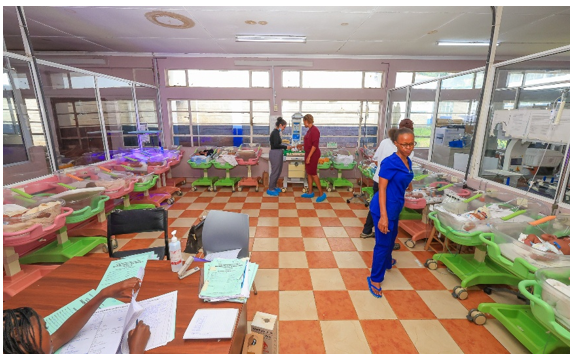
Excessive bleeding during pregnancy, childbirth or after delivery, medically referred to as obstetric hemorrhage, remains the leading cause of maternal deaths in Kenya. For many years, Kiambu Level 5 Hospital struggled with this challenge, recording poor maternal outcomes and drawing public concern before 2019.
Today, the situation has changed significantly. In 2025, the hospital recorded zero maternal deaths in the first seven months. It also achieved eleven consecutive months without losing a mother due to excessive bleeding during or after childbirth. By the end of November 2025, a total of 5,841 mothers had delivered safely at the facility, including women referred in with severe bleeding, some in critical condition. All survived.
This turnaround has largely been driven by the strong implementation of the Maternal and Perinatal Death Surveillance and Response system at both County and hospital levels. Regular death reviews, timely follow up of recommendations and strict adherence to rapid response protocols have strengthened accountability and improved decision-making during emergencies.
Kiambu County has supported these efforts through targeted investments aimed at improving maternal outcomes. These include dedicated ambulances for maternal and newborn referrals, early adoption of Heat Stable Carbetocin in line with national guidelines, procurement of non pneumatic anti shock garments, improved access to blood and blood products, adequate specialist staffing at higher level facilities, and community initiatives that promote early identification and referral of high-risk mothers.
Within the hospital, care has been standardized to ensure that all severe bleeding cases are immediately escalated to senior clinicians. Continuous mentorship of midwives and medical officers, open communication within the maternity unit and access to a critical care unit with a dedicated obstetric bed have further strengthened emergency response. In 2025, the hospital recorded zero ICU deaths related to postpartum hemorrhage.
Kiambu Level 5 Hospital’s experience shows that consistent leadership, teamwork and use of data can turn one of the leading causes of maternal death into a story of survival and renewed confidence in public health care.
What initiatives has your County taken to improve Maternal and Perinatal Death Surveillance and Response?
Visit https://maarifa.cog.go.ke/ to learn more about the successful initiatives on service delivery our Counties are undertaking.
Compiled by:
- Dr. Patrick N. Nyaga - Chief Officer, Health Services, Kiambu County
- Dr. Hillary Kagwa- County Director, Health Services
- Dr. Peter Boro – Director Medical Services
- Monica Kangethe – Director Nursing Services
- Grace Kibubu – County Clinical Officer
- Dr. Mary Maina- HOD, Kiambu Hospital & Chair, County MPDSR Committee
- Dr. Rashida Admani- Obstetrician/Gynecologist, Kiambu Level 5 Hospital
- Christine Mumo - County RH Coordinator
- Lucy Ng’ang’a - Nurse In charge, Kiambu Level 5 Maternity
- Juliet Wanjohi – Maternity Theatre in Charge – Kiambu Level 5
- Dr. Ruth Wamae - Obstetrician/Gynaecologist & Member County MPDSR committee
- Dr. Linda Nguu- Anaesthesiologist & Head of ICU, Kiambu Level 5 Hospital
- Mercy Gatabi – CoG, Maarifa Centre